We Actually Read the Fine Print: What 12 Free Hosts Say They Can Do With Your Website
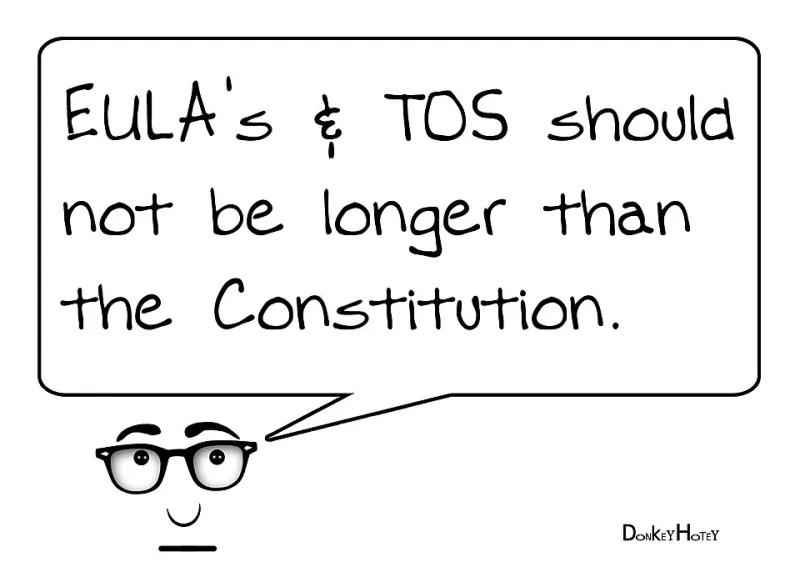
Photo: DonkeyHotey, CC BY 2.0, via Wikimedia Commons
Nobody reads terms of service. We get it. But when a company is hosting your website for free, the obvious question is: what are they getting out of it? The answer, more often than not, is buried in clause 14(b), and it's more interesting than you'd think.
We pulled the current terms from twelve free and budget hosting providers — a mix of household names and the ones aggressively advertised on YouTube — and looked for four things: who owns your content, whether they can inject ads, how easily they can terminate you, and what happens to your data.
Content Ownership: The Good News First
Most providers, mercifully, don't claim ownership of your stuff. The standard language grants them a 'license' to host, reproduce, and display your content — which is legally necessary and mostly harmless. One provider, though, used language broad enough to cover 'derivative works and promotional purposes,' which, read generously, lets them use your site in their marketing. Read less generously, it lets them do whatever they want with it. That one's going on the list.
Ad Injection: Still a Thing
You'd think forced ads died in 2010. They didn't. Three of the twelve reserve the right to display advertising on free-tier sites — and one's terms permit ads 'on any page, in any placement.' Your carefully designed landing page could grow a banner ad for a mobile game overnight. Some hosts let you pay to remove ads, which tells you everything about the business model: you're not the customer, you're the inventory.
Termination: The 'Because We Said So' Clause
Every provider reserves the right to terminate accounts for violations. Fine. But several reserve the right to terminate 'for any reason, with or without notice' — and a couple specify that content is deleted immediately upon termination, with no recovery period. If your entire business lives on a free plan with a clause like that, you're one automated abuse-flag away from starting over. We've covered the 30-day erasure problem before; some hosts don't even give you the 30 days.
Data: The Vaguest Section
This is where the reading got genuinely uncomfortable. Most privacy policies are boilerplate. But a few included phrases like 'sharing data with trusted partners' and 'improving our services using user information' without defining either term. One budget provider's policy stated that account data may be retained 'indefinitely' after closure. Indefinitely. Your name, email, and whatever else they collected, forever, or until they say otherwise.
The Creepiness Rankings
We scored each provider 1–10 on content rights, ad injection, termination powers, and data vagueness. The full ranking lives in the spreadsheet, but the shape of it:
- Least creepy (2–3/10): The big-name static hosts and developer-oriented platforms. Boring terms, boring in the best way. They make money on paid tiers, not on your data.
- Middle of the pack (4–6/10): Mainstream free web hosts. Standard ad clauses, standard termination powers, standard corporate vagueness.
- Most creepy (8–10/10): The 'unlimited everything free!' providers. Forced ads, any-reason termination, data sharing language you could drive a truck through. If a deal sounds impossibly generous, the terms of service explain how they afford it.
Three Questions Before You Sign Up
- Who owns my content, and what license am I granting? Look for the word 'perpetual' and 'promotional purposes.'
- Can they put ads on my site? Search the terms for 'advertisement' and 'monetize.'
- What happens to my files if they terminate me? If the answer is 'deleted immediately' with no appeal process, back up weekly or don't sign up.
Free hosting isn't inherently sketchy — half the providers we read were perfectly reasonable companies offering a legitimate free tier as a funnel to paid plans. But the sketchy ones count on you never reading. Now you've got no excuse. We read it so you didn't have to, and honestly, we'd like the four hours back.